How to avoid ATM fees in Europe: Comprehensive guide 💶🏧
If you’re planning a trip to Europe you’ll need to be able to pay for things while you’re there. While card payments are common in Europe, having some cash in your pocket is a smart backup plan – which for many people means using an ATM from time to time.
This guide covers how to avoid ATM fees in Europe – including the costs to watch out for, and options like Wise and Revolut which let you make some overseas ATM withdrawals with no provider fees.
💡 Key tips on how to avoid ATM fees in Europe 🇪🇺
- 💸Read your card fee schedule carefully: Your own bank may charge fees of around 3% plus a flat fee per withdrawal
- 🏧Watch the ATM terminal for extra costs: Some ATM providers add their own fees, even if your provider offers fee free withdrawals
- 💱Avoid Dynamic Currency Conversion: Pay in the local currency wherever you are to avoid extra costs
- 🫰Consider a travel card to limit your European ATM fees: Cards like the Wise Multi-Currency Card offer some no fee withdrawals monthly
Understanding ATM fees in Europe 🔍
Knowing the typical fees you might encounter when using ATMs in Europe can help you save money. These charges can come from two sources: your own bank and the ATM provider.
Here’s a summary – and we’ll cover each more in detail, next.
| 💡 Important fees to know 🏧 | |
|---|---|
| Foreign transaction fees | A percentage fee on any transactions processed in a foreign currency – this is often about 3% |
| ATM withdrawal fees | Often a flat cost of about 5 USD for a debit card, or a percentage charge of about 5% for credit cards |
| ATM operator fees | The ATM operator can also charge a flat fee, which you’ll usually be notified about through an on screen message |
| Dynamic currency conversion fees | ATM operators may offer you the option to pay for your withdrawal in USD – there’s usually an extra charge for this |
🌍 Your bank’s fees: Foreign transaction fees & ATM fees 🏦
Your bank or card issuer can charge a couple of common fees. The foreign transaction fee that applies is a percentage cost, usually around 3% for debit cards, applied on every transaction made in a foreign currency.
Some credit cards waive this fee – but that doesn’t mean they’re free to use as different costs can still apply.
Your bank or card issuer may also have specific ATM fees applied per withdrawal. 💡 For debit cards this can be about 5 USD, or for credit cards you may find a percentage cost of about 5% used, often with a minimum fee of about 10 USD.
The ATM operator’s fees 🏧
ATMs in Europe may charge flat withdrawal fees which are set by the ATM operator. There may also be a markup applied on the exchange rate used for currency conversion which we’ll look at next. This is a hidden charge which can catch you out when you travel.
Dynamic Currency Conversion (DCC): The hidden trap ⚠️
Dynamic Currency Conversion (DCC) is where an ATM offers the option to charge you in USD for your withdrawal.
This sounds handy but can mean you get a worse exchange rate and higher overall costs.
Instead, choose to be charged in the local currency wherever you are (euros or pounds for example) to get the better rate offered by your own bank.
Using ATMs abroad: With or without conversion?
If you allow an ATM overseas to convert your withdrawal, the ATM operator will set the rate used. That can mean you pay more in the end.
💡Choosing to pay in the local currency puts your own bank or card issuer in charge of the conversion instead. As they want to keep customers loyal, they’re more likely to use a favourable rate – meaning a better deal for you in the end.
🏆 Strategies to avoid ATM fees 🔍
🏦Ask your bank if they have overseas partners: Some banks offer low or no fee withdrawals with partner banks
🏧Watch the ATM screen carefully: ATM operators usually let you know if they’ll charge a fee, but you’ll need to watch out for a message on screen
👣Pick bank ATMs where possibe: ATMs in convenience stores or bars are often the most expensive option with extra fees added
💳Consider getting a multi-currency travel card: Cards like the Wise Multi-Currency Card let you hold a balance in the currency you need to spend overseas, and have some no fee withdrawal options
How to get cash in Europe without charges
To get cash from an ATM when you’re in Europe you’ll need to plan ahead. Often having a dedicated travel card can help you to access a better exchange rate, and avoid some ATM costs.
Consider getting a card like the Wise Multi-Currency Card or a Revolut travel card to get some ATM use monthly with no provider fees, and no foreign transaction fees to pay.
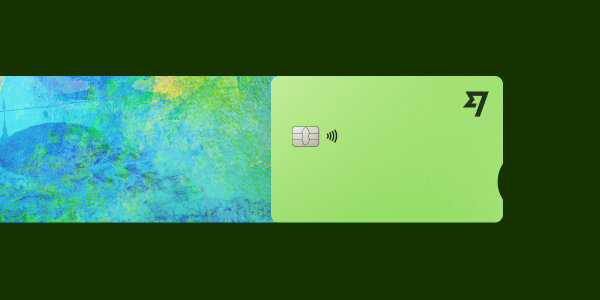
Euronet ATM fees
Euronet ATMs are standalone terminals in airports, malls and tourist hubs, which are convenient but which can have relatively high fees to use.
Watch out for the ATM operator’s costs which will be shown on screen, and consider moving to a bank operated ATM if you can, to cut out some fees.
Choose the right travel card for Europe 💳
Choosing the right debit or and credit card can help you minimize the costs of using an ATM in Europe, particularly if you choose one which has been designed for international travel.
Here are some common options from US banks and some alternative providers:
| 💳 US options for traveling in Europe 🌍 | |
|---|---|
| Bank of America ATM fees | 5 USD flat fee per transaction, plus 3% foreign transaction fee for debit cards. Some fees waived for Preferred Rewards members. Some Bank of America no foreign transaction fee credit cards are available, but cash advance charges of 5% are likely to apply to ATM use. |
| Chase ATM fees | 5 USD flat fee per transaction, plus 3% foreign transaction fee for debit cards. Some Chase no foreign transaction fee credit cards are available, but cash advance charges of 5% (minimum 10 USD) are likely to apply to ATM use. |
| Wells Fargo ATM fees | 5 USD flat fee per transaction, plus 3% foreign transaction fee for debit cards. Some no foreign transaction fee credit cards are available such as the Wells Fargo Autograph Card, but cash advance charges of 5% (minimum 10 USD) are likely to apply to ATM use. |
| Wise | Free withdrawals up to 250 USD/month**. 1.95 USD + 1.95% fee applies beyond this About Wise pricing: Please see Terms of Use for your region or visit Wise Fees & Pricing for the most up to date pricing and fee information. |
| Revolut | No fee for in network ATM withdrawals to plan limit, then 2% fee applies No fee for weekday exchange to plan limit, then 0.5% fee applies on Standard and Premium plans Standard plan holders pay 1% fee for weekend currency exchange |
*Details correct at time of research – 14th April 2026 *Wise ATM fees correct from May 2026; **Wise will not charge you for these withdrawals, but some additional charges may occur from independent ATM networks
Travel cards as an alternative 🧾
Using a travel credit card for purchases and withdrawals can sometimes be cheaper than withdrawing cash or using a credit card, as some cards have ATM fee benefits including withdrawals with no provider fee every month.
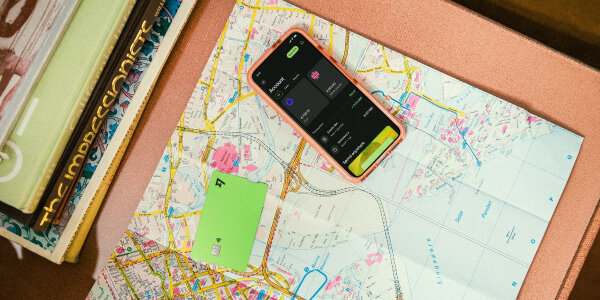
➡️ Wise Multi-Currency Card
Use a Wise account to hold 40 currencies, and spend or withdraw in 150+ countries. Currency conversion uses the mid-market exchange rate with a low charge from 0.57% and no foreign transaction fee.
Plus you can withdraw with no Wise fee up to 250 USD/month, and easily manage your card transactions in the Wise app. View your balance, freeze and unfreeze your card, and get instant transaction notifications.
📚➡️ Learn more on: How to use Wise for travel abroad, and How to get a Wise Multi-Currency Card in the US
➡️ Revolut card
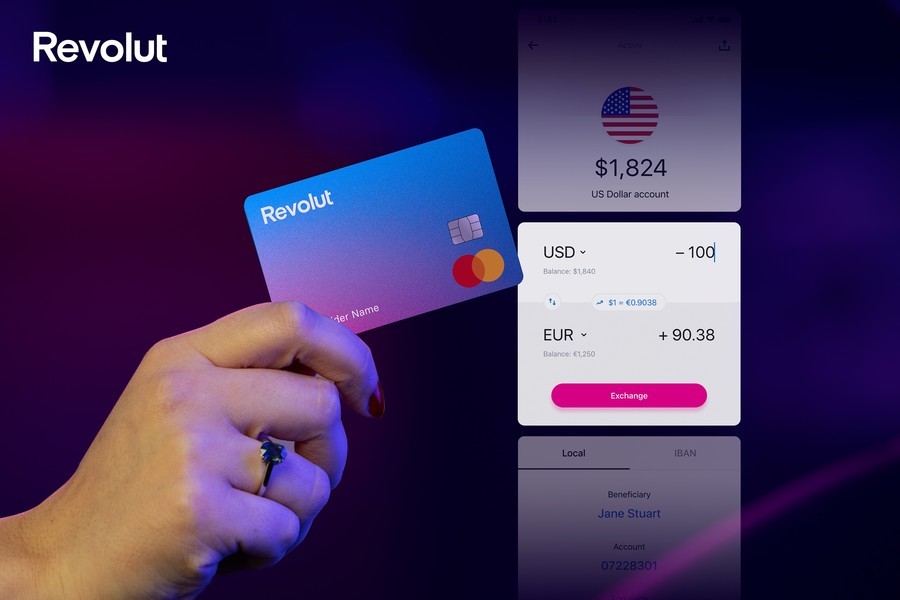
Revolut offers several different account plans which all come with a linked debit card for easy spending and withdrawals around the world.
You can hold a balance in the currency you need – such as euros or British pounds – and spend with no extra fee when you’re in Europe. Accounts also offer some no fee ATM withdrawals monthly before a fair usage fee begins.
📚 Relevant article: How to avoid international ATM fees abroad
Alternatives to ATM withdrawals 🔁
📲Using contactless payments and credit cards: Contactless payments are very commonly accepted in Europe which can reduce the need for cash. As cards aren’t universally supported – and some countries like Germany have lower overall acceptance rates – having some cash on hand for emergencies is still a smart idea.
✈️Getting cash before you travel: Exchanging currency before your trip is possible but can be costly – particularly at the airport. Using ATMs in Europe with the right card generally offers better rates and means you can get cash when you need it, rather than risking theft by carrying a lot of cash on arrival.
Pre-trip planning checklist for avoiding ATM fees 🧳
- Research and select a debit/credit card with no foreign transaction fees if you can.
- Notify your bank and credit card companies of your travel dates and destinations to avoid account holds.
- Memorize your debit card PIN and ensure it works internationally (check it’s a 4-digit PIN).
- Download your bank’s mobile app for easy access to account information and transaction alerts.
- Open a Wise or Revolut account and get a card in advance of your travel date – check delivery dates and select expedited delivery if needed.
📚Relevant guide: Using credit card for travel: Is it a good idea?
Navigating ATM scams and security 🔒
- 👀 Avoid suspicious ATMs: If the card reader looks loose or badly fitted stay away as it may have a skimmer added which can clone your card
- 🧳Choose bank ATMs: Often standalone ATMS in tourist-heavy areas have higher fees and charges
- 🛡️Protect your PIN and card: Shield your PIN, being aware of your surroundings, and don’t be distracted when using an ATM overseas
What to do if your card is lost or stolen 🚨
If your debit or credit card is lost or stolen abroad, you’ll need to freeze it and contact your bank immediately.
Your bank may allow you to freeze your card on their app or by calling a 24 hour number. You might also need to get a local police report to confirm the loss – ask your hotel to help you find the closest police station.
📚 Relevant guide: How to withdraw cash from ATMs abroad
FAQs about using ATMs in Europe
Is it better to get euros in the US or at an ATM in Europe? 🇪🇺
Using an ATM in Europe can be secure and convenient, and avoids needing to carry EUR when you travel. Choose a low cost card like the Wise Multi-Currency Card for low conversion fees and some no-fee ATM use monthly
Can Americans use ATMs in Europe? 🇺🇸
Yes. Your US issued bank card will usually be supported in Europe, particularly if it is on Visa or Mastercard networks. You may find it a little harder to find an ATM which supports AMEX.
How much cash should I carry in Europe? 💵
Card use is common in most European countries, but having a small amount of money (under 50 EUR for example) in your wallet still makes sense for tipping, markets and small purchases.
What is a “Bankomat” ATM? 🏧
“Bankomat” is a common term for an ATM in many European countries, particularly in German-speaking regions. They function like any other ATM, but it’s essential to check the specific operator’s fees and always choose to be charged in the local currency.
Sources 📚
Information last checked 14th of April, 2026.
- Bank of America fees
- Chase fees
- Wells Fargo fees
- Wise fees
- Revolut fees (Standard plan)
- Bank of America no foreign transaction fee credit cards
- Chase no foreign transaction fee credit cards
- Wells Fargo Autograph Card – no foreign transaction fee credit card
- Wise ATM fees (from May 2026)